Tag Archive travel tips

Travel Pack Selection – Buying a new Travel Pack

Travel Pack Selection

When travelling for long times, a Travel Pack is your most important travel companion. It will be your most important investment for your trip.

Qualities you need in a travel pack

  • Durable – you do not want it falling apart en route
  • Water resistant – you do not want your clothes all wet in the next rain
  • Comfortable – you want to be able to enjoy the travels
  • Secure – you don’t want to be the easiest target for thieves.
  • Easy Access – you want to be able to find your stuff easily
  • Flexible – you want to be able to just take the day pack during the day

The following provides a guide of what to look for when buying one.

Water proof or water resistant material

This keeps your kit dry even when everything else is getting wet. Canvas is the most waterproof material. However, there are also some high end synthetic materials almost as good. A completely waterproof would be a dry sac. However, for a travel pack this would be overkill. As long as it keeps your luggage dry in a big storm, it will be fine.

Lockable Zippers at the base so nobody can put anything in.

The best quality zips are YKK ones. Furthermore, zips need to lock at the base to prevent anything being pushed into your pack.

Multiple Compartments

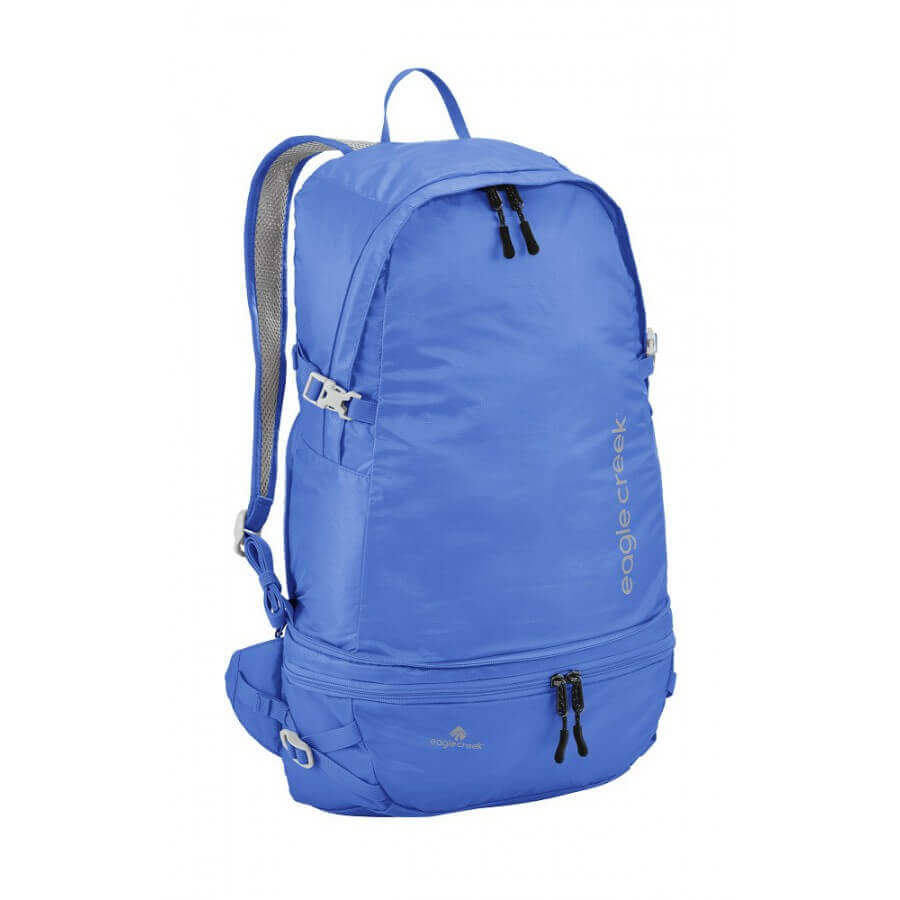
There are 2 compartments. This allows for separating for example, laundry in one or travel gear in one and clothes in the other. The compartments should also be able to be combined back to one when you need the extra space.

Internal Frame (that can be taken out for washing)

There are 3 types of pack. An external frame, an internal frame and no frame pack. External packs have excess of frame that can be obstructions. No frames mean that there is no support. An internal frame in many models can also be taken out for washing.

Handles at top and side

Handles at the top and side allow a person to carry the pack as though it was premium luggage used in 5 star resorts. It makes it easy to bypass the hippy backpacker mentality that some hotels still have. It also makes it easy when to carry when you have packed the straps away to protect them during a long plane or train ride.

Padded Adjustable Hip Belt

The hip pads support the weight of the pack. A fully adjustable hip belt will spread the weight best. The best travel packs will be both durable and comfortable to wear.

Padded Adjustable Shoulder Straps

The rest of the weight is spread to the shoulders. For the same reason these need to be adjustable and durable.

Chest belt

The chest belt is important for spreading the weight well. It allows the weight on the shoulder straps to be better distributed.

Zippered compartment that allows straps to be hidden

The zippered strap protection compartment is important to protect your travel packs straps, especially when your pack is in transit on planes, trains and automobiles. It transforms your travel pack into high quality luggage.

Zip flap

A zip flap hides the zippers and makes the pack more water resistant.

Padded Back

The back needs to be lumbar padded to ensure that the pack is comfortable against your back. It also protects you from objects that may be pressing against the material of the pack.

Zip off day pack (can be used for cabin baggage) with internal zip compartment

A zip off pack allows you to take your essentials (minus your Swiss Army Knife ) on the plane. It also doubles as a day pack that you are able to use during the day

Size

A 65 – 75 litre pack will be big enough to take what you need for a long term trip but not too big.

Wheels

Wheels add extra weight and as such are not generally a good idea. For most people doing a long term trip as they are no good on cobbled streets, stairs, snow, dirt tracks (or roads), etc they can become quite cumbersome quite quickly.

Internal compression straps

Internal compression straps are an advantage at times to hold clothes and sleeping bags inside. They can help to reduce the size of your luggage. External straps are more at risk of getting broken.

Uzip

U shaped Zips open like a suitcase providing easy access to your belongings and easier to find what you want. It is not just a small hole at the top and bottom.

Clips

Clips can be used to attach extras such as a tent or something that you do not want inside your pack.

Materials

There are a number of materials used for travel packs.

  • Canvas – The leader in water resistant material
  • Nylon – Is too lightweight, not water resistant and can easily tear
  • Newer synthetic materials – Lighter than canvas but not as water resistant

Double Stitching

Holds together better. Single stitched packs will save small change and make big problems. If your pack starts to come apart, you will need to find a replacement fast as it carries everything you need on your trip.

Luggage Strap

Luggage Straps can be an advantage but are not an essential feature.

Cost

Your travel pack is an investment. Buying a poor quality travel pack may be the worst mistake you make in your trip. It can turn a good trip into a bad experience.


However, not everyone thinks the same about back packs. See what Steve Climber thinks about backpacks

 

Asia

Asia

Asia houses a multitude of cultures, each distinctive from its neighbour. The two largest populations in the world are China and India, each with its own amazing sub cultures. From the Taj Mahal to the Great Wall of China to the Himalayas, to Ankor Wat and Pagan and the beautiful beaches and islands of the Philippines, Thailand and Indonesia there is so much to see and do.

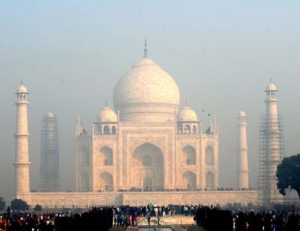
Asia's iconic Taj Mahal

World’s most expensive funeral plot!

Asia Transport Options

In some places there are very fast trains such as China and Japan. In others the way to go is by bus. In others it is much better value to take the plane. India for example has good coverage for long distances with Jet Airways and Air India as well as budget carriers such as Indigo. In China, airfares can often be booked once you arrive through a hotel at a rate less that full fare.

Travel can be very cheap in this part of the world and is also relatively safe.

North America

North America

North America Icon

A gift from France

North America is relatively easy to travel. With USA, Canada and Mexico making up the bulk of the North American land mass. North America possesses some of the best developed ski resorts in the world and the USA’s Grand Canyon, the world’s largest hole in the ground. USA is famous for the Statue or Liberty, a gift from France as well as Disneyland, a world of make-believe.

The easiest way to travel these countries is with a combination of bus, train and air passes. Greyhound by far has the largest network of buses that traverse these countries. There is an excellent long distance train system in Canada that runs basically one track system from Halifax to Vancouver. However, as the distances are so great here, you will need to consider which legs should be done by air. To this effect, Delta, United and others have air passes for the USA and there are also a number of budget airlines that cover the routes.

In areas south of the US border, it is necessary to have some knowledge of Spanish or at least a phrase book. In some areas north of the USA, Spanish can be an advantage. For instance in Little Havana in Miami and the south of the USA in all parts Spanish can be often heard spoken in the streets.

The Countries of North America

North America also covers more exciting areas such as the jungles and beaches of Guatemala, Belize and Cost Rica as well as the almighty Panama Canal. These areas can be easily traversed on local buses. In these countries, easiest transport is by local bus. In these countries; food, accommodation and transportation is relatively cheap.

This is the place to put information that relates to North America

South America

South America

South America is a wonderful continent to travel for the adventurous. It can be very cheap but also dangerous for the unaware.

Macchu Picchu, South America

Travel to Macchu Picchu

This continent is one of the lesser travelled continents in the world. It offers the traveller natural beauty, history at Macchu Picchu and Trujillo that pre-dates Europe’s, waterfalls that make Niagara look like a dripping tap and its fiestas are parties on steroids. It is home to amazing wildlife, with The Galapagos, Amazon and Pantanal amongst the most impressive areas. These offer some of the most amazing diversities of animal life on the planet.

The continent is best explored by bus and air passes. Food and accommodation is relatively cheap. In the south of the continent, transport may be by luxury coaches. In the remote areas in the north it may mean sharing the back of a 4WD taxi with passengers and their live chickens.

Dangers of South America

Whilst tourists can encounter problems throughout the continent, the north of the continent, houses more danger than the south. The Darien Gap between Colombia and Panama is run by terrorists, drug lords and others attempting to escape from the rest of the world. It is mainly dense jungle with alligators and large snakes. Venezuela, French Guinea, Guyana and Suriname still hold no go zones for all but the most adventurous of travellers.

Countries of the Southern Continent

The following countries are in South America

argentinaArgentina

boliviaBolivia

brazilBrazil

colombiaColombia

chile flag Chile

ecuadorEcuador

french guinea French Guinea

guyanaGuyana

peru, South AmericaPeru

paraguay, South AmericaParaguay

suriname, South AmericaSuriname

uruguay flagUruguay

venezuelaVenezuela


Comments and Tips about South America Travel are welcome below.

Europe

Europe

Europe is a fascinating continent steeped in history. Its buildings on average, are older than anywhere else in the world. It has diversity, where languages, culture and cuisine change from one country to the next. Some of the world’s most famous festivals, buildings and museums exist in Europe.

Travel Europe

A sunken city!

It can easily be traversed by either train or bus. In the north of Western Europe, most people speak at least a smattering of English and school children are taught to speak English. In other parts, English is well spoken by many in tourist areas.

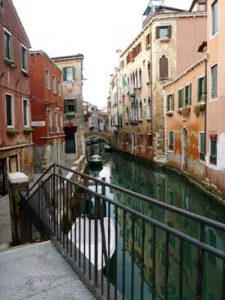
Some of the most famous icons include The Eiffel Tower in France, The Leaning Tower of Pisa and the Vatican and canals of Venice in Italy, Buckingham Palace in England, the mountains and lakes in Switzerland and many more.

Europe stretches from Greenland and Iceland in the north west to Russia in the east and Turkey in the south east. It spans a number of vastly different cultures and linguistic groups. Even within a country, the accents and language may vary greatly. Customs vary immensely from one country to the next. It is an area where almost all countries have been at war with their neighbours at some time.

Europe is very easy to travel. However, it can also be very expensive. Food is usually of good quality. Quite often in Southern Mediterranean countries, it is cheaper to eat a large lunch than a large dinner, especially when having a fixed price menu. This is because lunch is the customary large meal of the day in these countries.

If you have travel tips for Europe, this is the place to explain them.

Africa

Africa

Travel in Africa is not only possible, it can be quite cost effective. Africa is a vast continent with vastly different cultures. Here, two cultures share the same desert space. One will completely cover their body to deal with the heat whilst the other will wear nothing but a loin cloth.

Some areas offer everything you can find in the rest of the modern world. Others areas are purely subsistent where people sleep on the floor of mud huts and eat from the land. The ethnicities vary more than any other continent. The peoples have immigrated from Europe, India and Arab countries and have a rainbow of skin colours.

Africa Travel - In Africa, even a zebra crossing can mean something else

In Africa, even a zebra crossing can mean something else

Incredibly unstable governments change hands overnight and wars can escalate to genocide in the blink of an eye. The continent has some of the most amazing wildlife sanctuaries in the world. It houses the amazing pyramids, the Sahara and Namib deserts, and impenetrable dense jungles. However, it is tainted by wars and crime throughout.

It can be a challenge to travel to some parts as major highways become so bad that road graders become bogged. In other parts, trees block the roads and the same road bridge triples as a highway, railway and pedestrian bridge.

Africa Travel – How to save money in Africa

The six most dangerous countries in the world lie in Africa. It is a continent where life is cheap and safety is a concern that overrides low cost at times. The cost of living in most countries in the continent is reasonably cheap. However, one must be on constant vigil for your own protection.

Depending on where you are in Africa, cheap hotels can cost as little as a few dollars and some very good hotels can be significantly cheaper than elsewhere. Countries such as Mauritius, Namibia, Botswana, Malawi, Mozambique, Zambia, South Africa, Gabon, Ghana, Kenya, Tanzania, Morocco, Tunisia and Egypt can be travelled with caution.

That being said, local transport whilst cheap; may be limited and difficult at times. So you need to work our a route before you arrive. In some countries it is possible to hire cars. However, support for them is limited and sometimes parts can take a long time to arrive, severely hampering your trip. In many countries, such as Namibia, coverage for mobile phones is limited.

In Africa, the capital cities can be dangerous. Even the locals ensure that they are not wearing jewellery.

This is the place to put travel tips for Africa.

Australia

The Professional Traveler’s Guide to Exploring Australia

Australia is one of the world’s most accessible and rewarding destinations. Sharing a single official language and boasting a highly developed tourism infrastructure—including an extensive network of boutique hostels, budget accommodations, and transit options—it is an exceptionally easy continent to navigate. However, travelers should budget carefully, as major metropolitan hubs like Sydney carry a premium price tag.


1. Geography, Scale, and Key Destinations

The Vast Australian Landscape

Australia is immense, and its geography is defined by vast distances. While the coastal fringes are highly developed, the interior is incredibly sparse. Regions such as the Northern Territory and the northern reaches of Western Australia contain some of the lowest population densities on Earth. When planning an itinerary, it is crucial to account for significant transit times between major destinations.

World Heritage Sites and Natural Wonders

The country is home to globally renowned, World Heritage-listed landmarks alongside pristine natural beauty:

  • Iconic Landmarks: Explore the ancient monolith of Uluru (formerly known as Ayers Rock), the biodiversity of the Great Barrier Reef, and the dramatic coastal vistas along the Great Ocean Road.
  • World-Class Coastlines: As an island continent, Australia is ringed by spectacular coastlines, offering some of the finest beach and surfing destinations in the world.
  • Sydney Harbour: Widely regarded as one of the most beautiful natural harbors on Earth, it features a stunning metropolitan skyline framed by the architectural marvels of the Sydney Opera House and the Sydney Harbour Bridge.

2. Wildlife Safety: Myths vs. Reality

While Australia has a reputation for hosting some of the world’s most venomous and predatory species—including sharks, snakes, spiders, crocodiles, and marine life like box jellyfish and blue-ringed octopuses—the actual risk to travelers is exceptionally low.

Key Safety Guidelines

  • Exercise Common Sense: Standard safety precautions prevent almost all negative wildlife encounters. Do not provoke, handle, or corner native wildlife.
  • Heed Warning Signs: Local authorities place clear signage near hazardous areas (such as active crocodile habitats in northern estuaries or beaches with seasonal marine stingers). Always observe these boundaries.
  • Regional Variations: In Northern Queensland, estuarine crocodiles are the dominant apex predators in local waterways. Visitors should remain vigilant and swim only in designated, netted beach areas.

3. The Great Australian Campervan Road Trip

One of the most authentic and flexible ways to experience the diverse landscapes of Australia is by campervan. Self-drive holidays allow you to set your own pace through the vast outback and stunning coastal routes.

Booking Note: When renting a campervan, please be aware that many operators require a minimum rental period (often up to 28 days) during peak travel seasons.

Cheaper Flight Tips

How to Find Cheaper Flights: The Strategic Routing Guide

Optimizing your air travel involves more than just hunting for random discounts. To consistently find cheaper flights, you need a firm grasp on global routing structures, airline alliances, and practical booking mechanics.

By applying these strategic routing frameworks, you can significantly reduce your airfare expenses while upgrading your entire transit experience.


1. Smart Flight Routing and Gateway Strategies

Leverage Major Regional Transit Hubs

When searching for affordable international routes, do not limit your search queries to direct destination flights. You can often secure vastly cheaper flights by booking a long-haul trip to a primary regional gateway and purchasing a separate, localized ticket to your final stop.

  • Asia: Hong Kong, Bangkok, Singapore, Beijing, Dubai
  • Europe: London, Paris, Frankfurt
  • North America: Los Angeles, New York, Miami
  • South America: Santiago, Buenos Aires, Bogota, Rio de Janeiro, São Paulo, Lima
  • Africa: Cairo, Casablanca, Johannesburg

Pro Flight Tip: If you want to fly from Sydney to Zurich, compare the cost of a single direct ticket against a long-haul leg from Sydney to Paris (CDG), combined with a high-speed rail line or a regional flight into Zurich.

Evaluate Alternative Airport Entry Points

  • Multiple National Gateways: Many countries host several international airports that vary in price based on carrier competition. For instance, check Manila vs. Cebu in the Philippines; Delhi, Mumbai, or Kolkata in India; or Rome, Milan, and Naples in Italy.
  • Secondary City Airports: Major metropolitan areas often run secondary airports (e.g., London’s four major international airports). When targeting cheaper flights at secondary hubs, always calculate the added travel time and ground transit costs to ensure the net savings are real.

Select the Right Ticket Structure

Tailoring your ticket structure to your itinerary opens up unique cost-saving paths:

  • One-Way vs. Return: Standard booking formats for linear travel.
  • Open-Jaw Tickets: Fly into one city and depart from another (e.g., arriving in Paris and flying out of Rome). This cuts out the costly time and expense of backtracking.
  • Circle and Round-the-World (RTW) Fares: Offered by global airline alliances, these let you book multi-stop international circuits under a unified, discounted tariff structure.
  • Stopover Optimization: Look for point-to-point flights that allow multi-day stopovers. Many major legacy carriers let you stay in their hub cities for several days at no additional airfare cost.

2. Navigating Budget Airlines and Fare Tactics

Utilizing Low-Cost Carriers (LCCs)

Low-cost carriers offer deep discounts but operate under strict unbundled pricing structures.

  • Top Regional Budget Airlines:
    • Europe: EasyJet, Ryanair, Norwegian, Eurowings
    • Americas: JetBlue, WestJet, Southwest, Gol, Azul
    • Asia-Pacific: AirAsia, Scoot, Cebu Pacific, Jetstar, Virgin Australia
    • Africa: FlySafair, Fastjet
  • Crucial LCC Guidelines:
    • Book Direct: Many budget operators omit their flights from major global meta-search engines. Check their official brand sites directly for the best rates.
    • Avoid Ancillary Penalty Fees: Budget operators charge heavy premiums for physical airport check-ins, seat selection, and carry-on bags. Always check in online and measure your luggage against their fine print.
    • Flash Sale Newsletters: Join airline mailing lists to catch limited promotional windows. For example, some airlines feature daily flash sales offering local routes at steep discounts.

Advanced Fare Savings & System Hacks

  • Fly Midweek and Off-Peak: Tuesdays and Wednesdays regularly offer cheaper flights because they fall outside the heavy booking windows of weekend holidaymakers and Monday corporate travelers.
  • Travel During Shoulder Seasons: Book your travel windows right outside regional peak periods (e.g., visiting Europe in May or September rather than the crowded July-August rush) to slash booking rates across the board.
  • Exploit Code-Share Discrepancies: Multiple partner lines frequently share the same physical airplane while listing the trip under different flight codes. Compare pricing across all code-share partners, as seat prices for the exact same flight can vary dramatically.
  • Maximize Airline Alliances: Consolidate your loyalty points within a primary network (such as Star Alliance, Oneworld, or SkyTeam). Accumulating points across an alliance lets you redeem miles for cheaper flights or upgrades later.
  • Cross-Reference Aggregators: Compare multiple booking platforms (like Expedia, Kayak, and Farecompare) to benchmark rates, but remember to check the airline’s direct homepage before final purchase to secure the best buyer protection.
  • Target Regional and Ethnic Agencies: Local agencies catering to specific immigrant or cultural communities frequently hold access to private, consolidated bulk fares that aren’t published online.

3. Demographics & Special Airfare Discounts

  • Student and Youth Airfare: Full-time students and travelers under 26 have access to dedicated flight savings through specialized providers or by holding an International Student Identity Card (ISIC).
  • Family Travel Optimization: Infant lap travelers under two years old typically fly for roughly 10% of a standard adult fare on legacy lines. Children up to 12 often receive up to 50% off on standard carriers, though budget airlines generally charge families full price for any assigned seat.

4. Baggage Fees & Airport Efficiency

Beating Luggage Weight Restrictions

  • Strategic Layering: Sidestep expensive excess weight penalties by wearing your heaviest boots, coats, and layers onto the plane. Keep heavy photography and electronics gear safely inside your cabin baggage.
  • Oversized Sporting Gear: If traveling with specialty equipment like golf clubs or skis, contact your airline customer line beforehand. Many major carriers maintain generous specialty item policies if the gear is packed according to their exact transit rules.

Mastering Security and Logistics

  • TSA-Approved Security Locks: If you are routing through the United States, use TSA-approved locks. Standard luggage locks will be clipped off by security teams if your bags undergo manual inspection.
  • Prohibited Items and Liquid Limits: Keep all carry-on liquids under the standard 100ml (3.4 oz) threshold. Keep pocket knives and multi-tools packed securely in checked baggage, and ensure loose lithium batteries stay strictly inside your cabin bags.
  • Choose the Swift Security Line: When picking a security queue, line up behind corporate or business travelers instead of vacationing families. Frequent flyers clear checkpoints with speed, getting you through to your gate much faster.

5. Maximizing In-Flight Comfort and Value

How to Position Yourself for an Upgrade

While smart business attire alone won’t secure a free cabin upgrade, presenting a polished, professional image makes you an eligible candidate if an economy section becomes overbooked. Ultimately, operations teams grant upgrades based on status and alliance frequency.

Case Study: Elite Status in Action

On a past booking routed through a frequent flyer alliance network, I was scheduled to fly premium economy. Due to a high load capacity and a history of regular travel within the carrier ecosystem, I was met at the check-in desk with a complimentary upgrade to Business Class. Consolidating your travel with a specific carrier group pays real dividends when flights are full.

Additional In-Flight Comfort Wins

  • Pre-Order Special Dietary Meals: If you require vegetarian, kosher, or allergen-free food, submit your order 24–48 hours ahead of departure. As an added benefit, airlines serve special request meals before standard cabin service begins.
  • Prevent Deep Vein Thrombosis (DVT): On long-haul international flights, remove your shoes, stay hydrated, and walk down the cabin aisles periodically to maintain healthy circulation.
  • Pack an Extra Travel Layer: Aircraft cabins fluctuate in temperature, and budget operators routinely charge extra fees for blankets. Keep a lightweight jacket inside your carry-on bag.

6. Connection and Layover Management

  • Through-Checked Luggage: When booking a multi-leg itinerary on a single ticket, verify that your baggage is checked through to your final destination. This gives you the freedom to explore transit cities during long layovers without towing heavy bags.
  • Long Layover Strategy: If your transit window allows, check visa rules and exit the airport to see the local city. For shorter stays where you cannot leave, check for an on-site transit hotel, pay for airport lounge entry, or use airport shower facilities to reset before your next flight.

7. Compliance, Taxes, and Documentation

  • Reconfirm International Flights: While automated systems dominate modern travel, select regional carriers still require a manual flight reconfirmation 72 hours prior to departure. Verify this rule when purchasing tickets.
  • Carry Travel Essentials in Your Hand Luggage: Keep your cash, identification, visas, prescriptions, and a backup set of clothes in your cabin backpack. If your checked baggage gets delayed, your trip can continue without interruption.
  • Local Departure and Airport Taxes: Though most modern itineraries bundle airport fees directly into the ticket price, specific international terminals still collect departure taxes in local cash before boarding.
  • Border Control Decorum: Always remain formal and cooperative when speaking with border agents. Security teams enforce zero-tolerance policies regarding jokes about security threats, which can result in immediate detentions or missed flights.

Planning Tips

Essential Travel Planning Strategies

Effective trip planning involves more than simply selecting a destination; it requires strategic financial management and logistical foresight. To maximise the value and quality of your travel experiences in Australia and beyond, consider the following expert strategies.

1. Strategic Financial Planning

  • Maximise Purchasing Power: Research destinations based on relative cost-of-living and safety metrics. Be mindful of the “multiplier effect”—income earned in your home country often yields significantly greater purchasing power in developing nations.
  • Optimise Travel Budgeting: Evaluate your daily expenditures. Small, consistent savings—such as limiting discretionary daily habits—can cumulatively extend the duration of your trip. For extended journeys, exploring additional income streams in the months leading up to departure can prove highly beneficial.
  • Leverage Rewards Programs: Utilise credit cards that offer travel rewards or points programs. These can significantly reduce out-of-pocket expenses for flights and accommodation.

2. Maximising Value

  • Prioritise Longer Stays: Transportation costs represent a major travel expense. By planning longer stays in fewer locations, you reduce transit costs and increase your leverage to negotiate discounted long-term accommodation rates.

3. Comprehensive Research

  • Diversify Information Sources: Consult official national tourism websites, attend travel expositions, and leverage professional networks. While digital research is efficient, seeking insights from experienced travellers often reveals more authentic, less-trafficked destinations.

4. Logistical Preparation

  • Home and Property Management: For extended travel, consider options such as renting out your residence or coordinating a house-swap. If leaving your home vacant, establish a reliable property management plan, delegate financial responsibilities (such as bill payments) via internet banking, and consider appointing a power of attorney for necessary legal matters.
  • Asset Management: Sell or store unused items to streamline your affairs. Prior to departure, ensure all utilities are properly managed; switching off electricity at the mains can prevent unnecessary power draw from standby devices.
  • Documentation: Stay informed of promotions by subscribing to key travel newsletters. Additionally, ensure you obtain an International Driving Permit well in advance if you intend to operate a vehicle abroad.

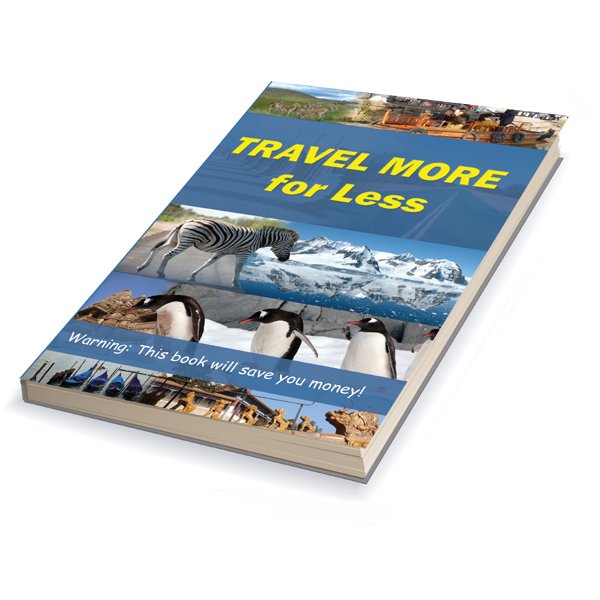
For in-depth guidance on optimising your travel budget, explore our guide: Travel More for Less.