
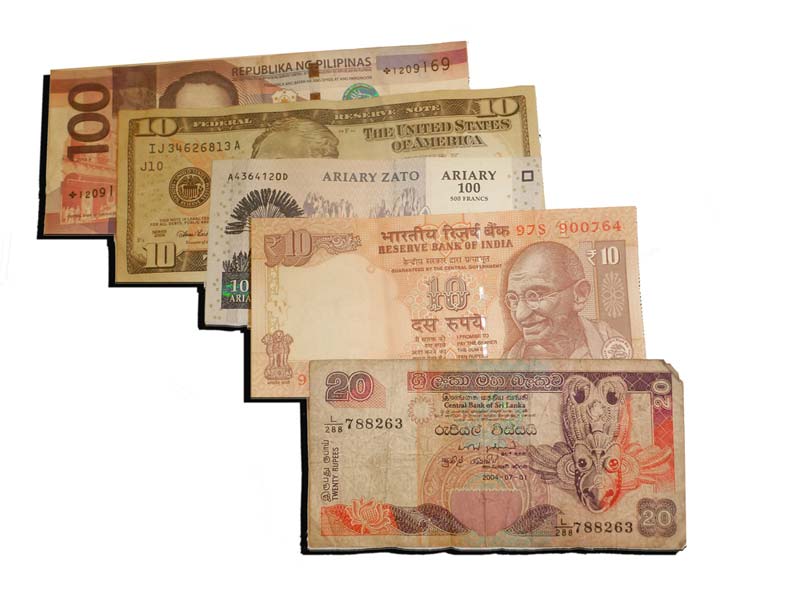
Strategic Guide: Managing Travel Currency
Effective currency management is essential for any traveler. By preparing in advance, you can minimize fees, secure better exchange rates, and ensure constant access to your funds.
Cash Handling and Exchange
- Verify Rates: Only use exchange services that display both “buy” and “sell” rates. This transparency allows you to calculate the fee spread. If rates are hidden, check XE.com to establish a fair market baseline, then account for a modest service margin.
- Negotiate: In areas with multiple currency exchange kiosks, shopping around and haggling is standard practice and can reduce your costs by 5% to 10%.
- Choose Wisely: Avoid airport and hotel exchange counters, which typically offer the poorest rates. Instead, seek out established, independent money changers.
- Plan Ahead: If your home currency is declining, consider exchanging funds before your trip. When abroad, exchange money in countries with lower labor costs to reduce commission fees.
- Currency Mix: Carry a variety of major currencies (e.g., USD, GBP, EUR, AUD, CHF) alongside your home or host-country currency.
- Note Integrity: Only accept crisp, clean, and undamaged banknotes. Worn or marked currency is often rejected by vendors, and you should always remain vigilant for counterfeit bills.
- Consolidate Transactions: Process fewer, larger exchanges to minimize cumulative service fees.
- Legal Warnings: Avoid “black market” exchange services. Using them is often illegal and can lead to fines, legal action, or deportation. Additionally, always check the legal limits for importing or exporting currency in your destination country.
ATM Strategy
- Accessibility: While ATMs are reliable in developed regions, availability in developing countries may be limited to airports or major capital cities.
- Maximize Value: Fixed transaction fees make small withdrawals expensive. For example, a $4 fee on a $100 withdrawal costs 4%, whereas the same fee on a $1,000 withdrawal is only 0.4%. Always withdraw the maximum allowable amount.
- Strategic Tools: Use mobile apps like ATM Hunter or ATM Finder to locate machines, or ask your bank about partner networks that offer lower international fees. Some institutions, such as Charles Schwab (USA) or Halifax Clarity (UK), offer accounts that waive international ATM and transaction fees.
Digital Payments and Cards
- Credit/Debit Usage: Use cards for large purchases to benefit from better exchange rates. Avoid using them for small transactions, where fees may outweigh the convenience.
- Currency Selection: When a terminal asks if you want to pay in your home currency or the local currency, always choose the local currency. This prevents the vendor’s processor from applying an unfavorable exchange rate.
- Security: Notify your bank of your travel dates to prevent your cards from being flagged or blocked due to unusual activity.
- Modern Alternatives: Research digital banking options like Revolut, which offers competitive rates and low-fee transactions for many currencies. Prepaid travel cards (such as the Travelex Multi-Currency Cash Passport) allow you to lock in rates, though you should verify any setup or inactivity fees first.
- Traveler’s Cheques: These are outdated and difficult to exchange. It is recommended to avoid them entirely.
- Emergency Wiring: In emergencies, services like Western Union or MoneyGram provide secure options for receiving funds from home.
The Value of the Experience
Travel can involve minor financial risks, but these are often outweighed by the value of the experience. Most destinations are safer than media reports suggest, and local advice is usually the best guide for navigating new environments. While traveling to unconventional locations may present challenges, proper preparation will allow you to navigate them confidently.


About the author